At the Tau Global Conference 2026, Researchers Find Hope in Strides Toward Diagnosis and Treatments
Jun 24, 2026 Oscar Sullivan
Ask a room full of the world's leading tau researchers what they know for certain about the protein they have spent their careers studying, and the answers are often similar: not enough. Yet this remains a field in constant motion that has learned that the next question matters as much as the last answer. The more researchers learn, the more precisely they can articulate what still eludes them — and that, too, is a form of progress. That spirit defined the Tau Global Conference, held May 14–15 at the Grand Hyatt in Washington, D.C.
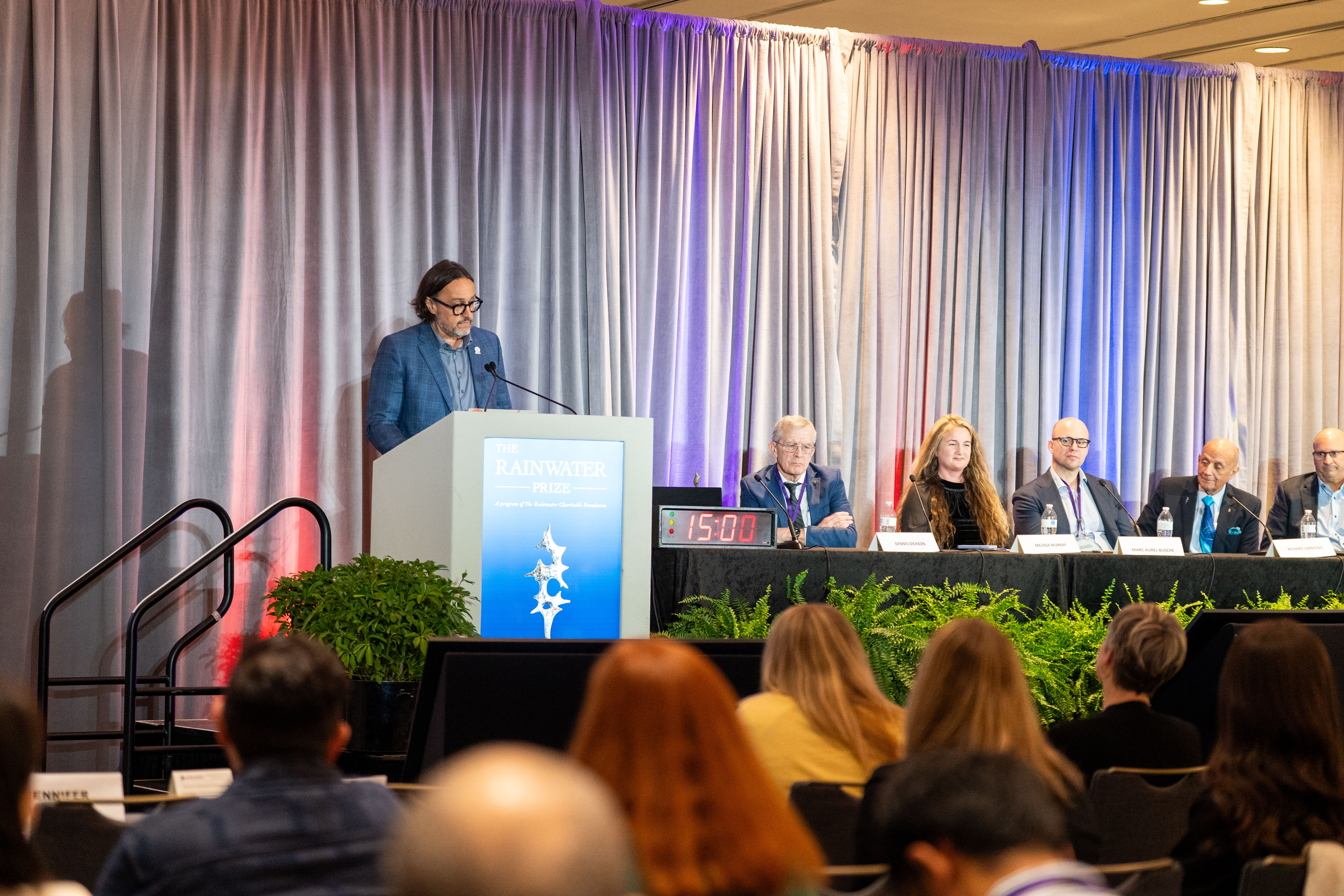
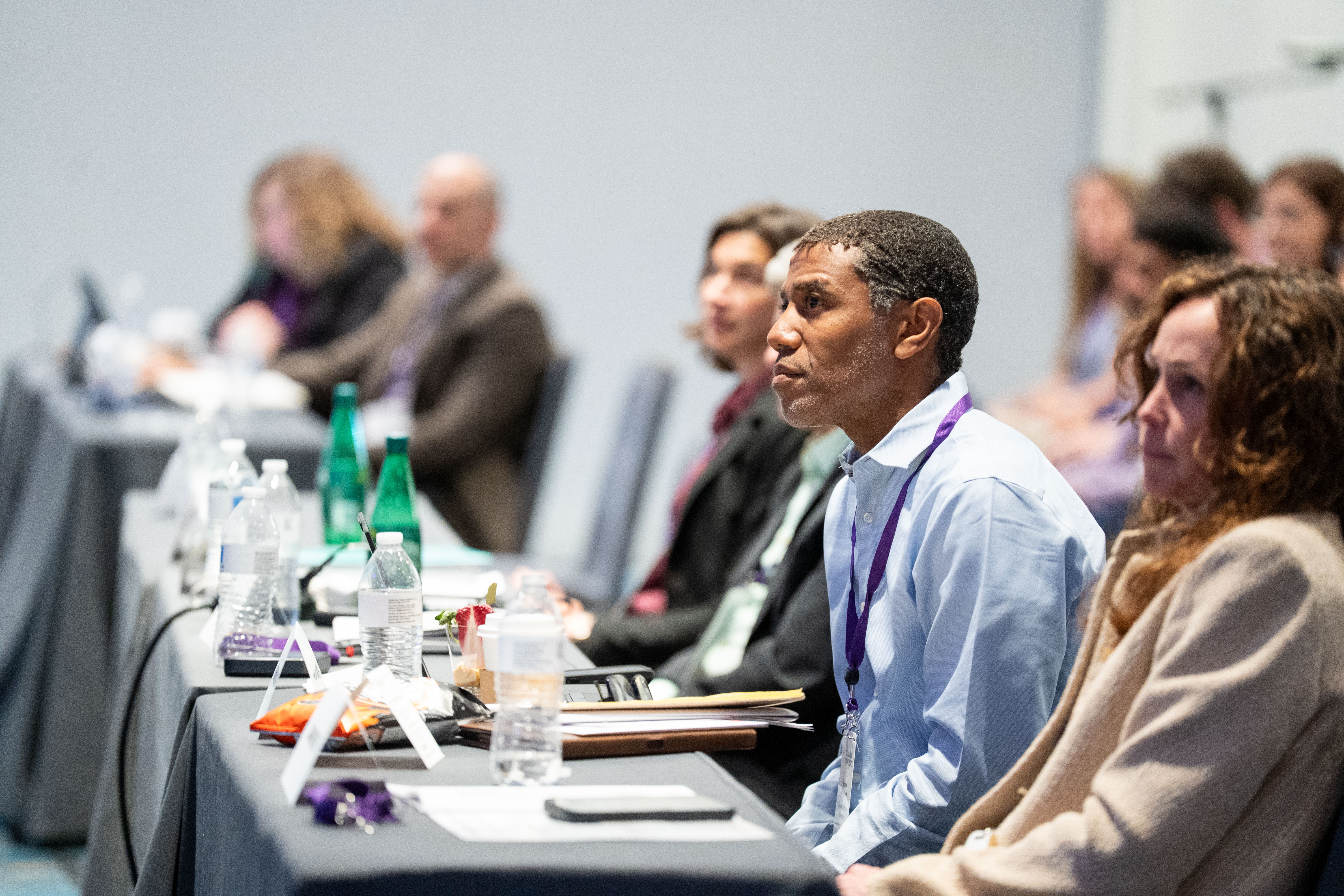
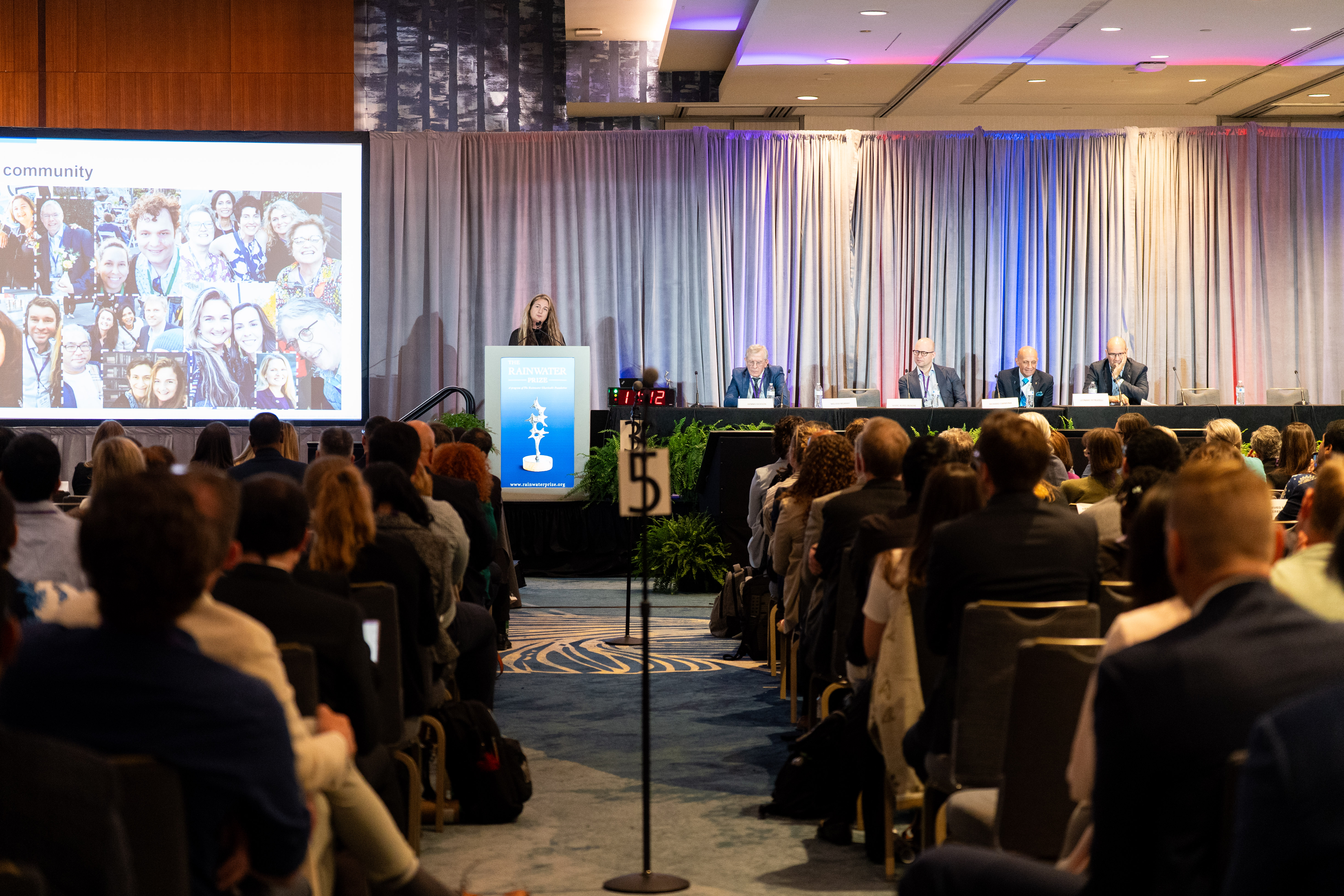
Organized by CurePSP, the Alzheimer's Association and the Rainwater Charitable Foundation, the conference gathered researchers and clinicians alongside the people their work is ultimately for: those living with PSP, CBD and related tauopathies. Over two days, approximately 400 attendees gathered in person, with almost 800 more joining virtually. Before the scientific sessions began, CurePSP CEO Dr. Kristophe Diaz took the stage to give voice to the families affected that the research is meant to serve. Drawing from CurePSP’s recent patient-focused drug development meeting with the FDA, he relayed accounts of a disease that builds like a tidal wave, one loss compounding the next.
For one care partner, communicating became so difficult that only the most necessary things needed to be said: “neck, pillow,” single words that were just important in the moment. By then, three or four other losses had already begun building alongside it. That inability to connect with a loved one was “crushing.” According to Diaz, these voices are actively helping researchers visualize a destination, informing therapeutic goals and what meaningful clinical benefit actually means.
The tau protein itself is much murkier. “Everything we think we understand, we learn that it breaks the rules,” said Dr. Jennifer Rauch, a researcher at the University of Massachusetts Amherst. “Tau has an ability to shape-shift, to amend itself to different contexts. If you can talk about an aspect of biology, tau can probably be involved in it as well.” She believes that one of the most pressing open questions in the field is selective vulnerability: why tau aggregates in specific brain regions and not others.
“Is it something about tau itself? Is it something about the cellular environment, the cell types in particular? I think that is a really interesting question that we don't exactly have a handle on yet,” said Dr. Rauch.
Dr. Gabor Kovacs, a researcher at the University of Toronto, wants to know why different people can arrive at the same tau pathology through entirely different routes.
“I'm very interested in whether there are different etiological events leading to the same tau pathology,” he said. “We’ve started to identify a few of these: inflammation in some patients, vessel-related changes in other patients, or potentially environmental events that can induce the same.”
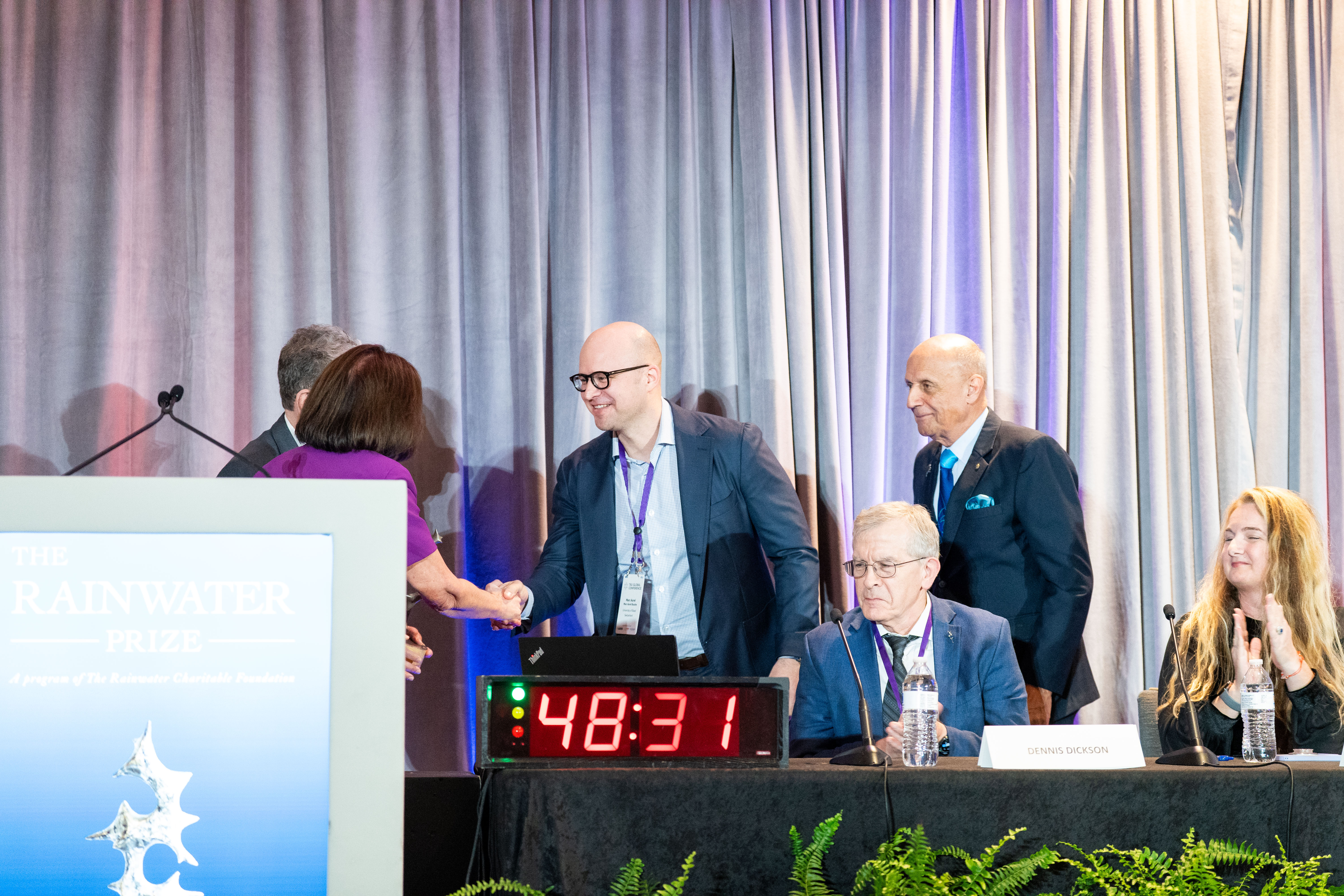
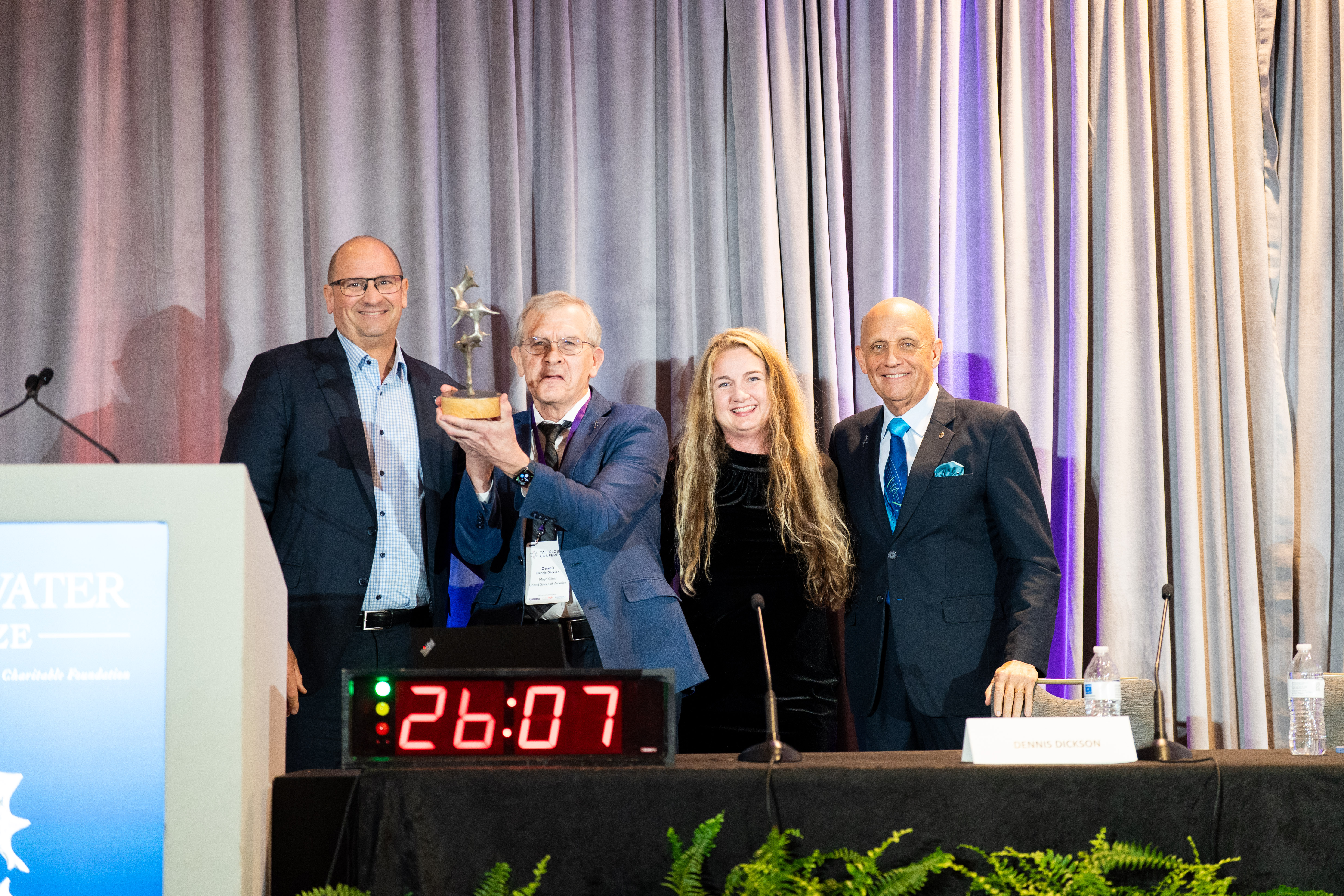
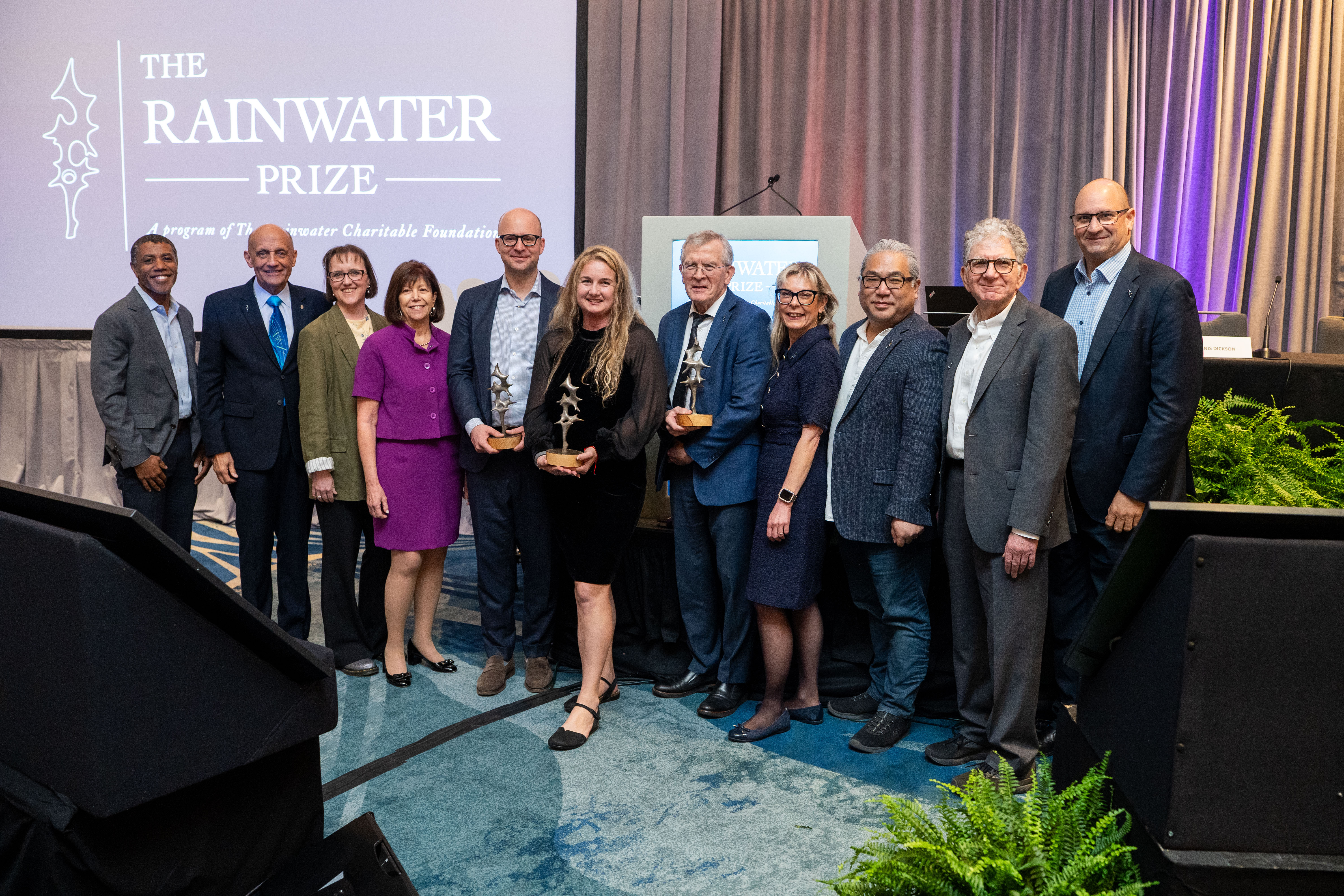
These may be familiar questions in the field, but emerging technologies and a growing library of results are allowing these researchers to ask them with more precision than ever before. At Mayo Clinic, the CurePSP Brain Bank has been building that library for over 30 years. On the evening of Day 1, the Rainwater Prize honored the two people most responsible for it. Dr. Dennis Dickson began as a mentor to Dr. Melissa Murray, a relationship that has grown into one of the most productive scientific partnerships in tauopathy research.
Dr. Dickson started the Brain Bank at Columbia University in the 1990s with the help of Dr. Larry Golbe, a member of the CurePSP Scientific Advisory Board (SAB). Dr. Dickson relocated to the Mayo Clinic in Florida where it has grown to now hold over 2,000 PSP brains of frozen and fixed tissue. Because PSP is rare enough that most institutions only see a handful of cases, the bank’s scale has made studies possible that no single institution could conduct alone. “The tissue does nobody any good unless it's shared,” Dr. Dickson told the crowd. Over the decades, that shared tissue has fueled whole genome sequencing studies and helped researchers begin to distinguish PSP from the diseases that mimic it, a massive step toward more accurate diagnoses.
Dr. Murray’s path to this work began the day her grandmother forgot who she was. Now, working alongside Dr. Dickson, she has led the effort to digitize every slide in the bank, opening the collection to researchers around the world. What this revealed, Murray told the crowd, is that tau pathology varies from person to person — differences that can help researchers track how a disease progresses and who it affects most severely. Such an accomplishment is a community effort. Many of the brains in that collection were donated by CurePSP families, by people who, after losing someone, made a choice that is continuing to produce.
Perhaps the most promising theme that continued surfacing in both the conference and the poster rooms was the feeling that the field is closer than ever to a diagnostic test specific to PSP and CBD. For years, researchers hoped that the phospho-tau markers that transformed Alzheimer's diagnosis would translate to primary tauopathies. They largely haven't, but a newer approach — seed amplification assays, which detect the earliest traces of disease-specific tau in spinal fluid — may finally offer PSP and CBD their own diagnostic marker. This sort of biomarker would be transformative. For families like those that Diaz cited, it could mean years that aren't lost to misdiagnosis.
On the therapeutics front, a trial generating significant excitement at the conference was the PRESERVE study: a Phase 3 clinical trial initiated by Novartis to evaluate NIO752, an investigational drug designed to reduce tau levels in people with PSP. NIO752 is an antisense oligonucleotide, a type of therapy that works by interfering with tau production at the source. Early phase results showed the drug doing exactly what it was designed to do: lowering tau in biofluids. “The million dollar, trillion dollar question,” said Dr. Edwin Jabbari, researcher at University College London (UCL), “is whether that then translates into a clinical benefit.” PRESERVE is designed to answer exactly that. The answer may take time, but for a community that has long been told there is nothing on the horizon, having a Phase 3 trial underway is itself significant. Researchers do agree, however, that no single drug will be the answer. Future treatment will likely require targeting tau from multiple directions simultaneously, while also addressing the surrounding biology — inflammation, blood flow and the brain's ability to clear damaged proteins.
For researchers that are constantly humbled by such a small molecule, they remain grounded and intentional in the questions they ask. The next opportunity to ask them together comes this November at Neuro2026: The PSP and CBD International Research Symposium. Organized by CurePSP and PSPA in London, the symposium will bring the PSP and CBD research community together, with early clinical trial results expected. The answers to tau’s mysteries will not come from any single lab or institution. They will come from rooms like these, and the one coming in London.
.png)
.png)
.png)
-2.png)
Join our email list
Get the latest news and resources
directly to your inbox.
Get the latest news and resources directly to your inbox.
Sign Up